Your tank is already full of bacteria, so why would anyone sell you more? It’s a fair question. And the honest answer is: sometimes you need the powder, and sometimes you don’t. Knowing which situation you’re in can save you money and a lot of guesswork.
This guide explains what bio septic tank bacteria powder is, how it works, and when it earns its place in your budget.
What Is Bio Septic Tank Bacteria Powder?
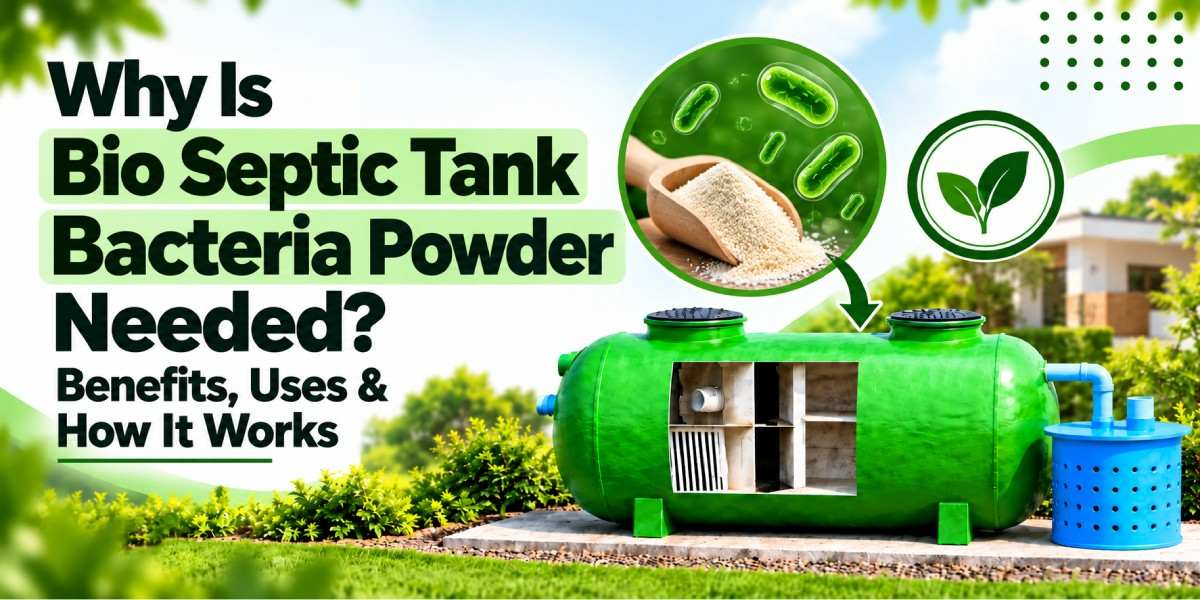
Think of it as a sleeping army in a packet. Bio septic tank bacteria powder is a dry blend of dormant microbes, often paired with enzymes, that helps digest waste inside a tank. You mix it with water, pour it down the toilet, and the warm, wet conditions inside wake the microbes up.
Most blends include enzymes that target specific waste types.
| Enzyme | What It Breaks Down |
|---|---|
| Protease | Proteins |
| Lipase | Fats and grease |
| Amylase | Starches |
| Cellulase | Paper and fibres |
How a Bio Septic Tank Works
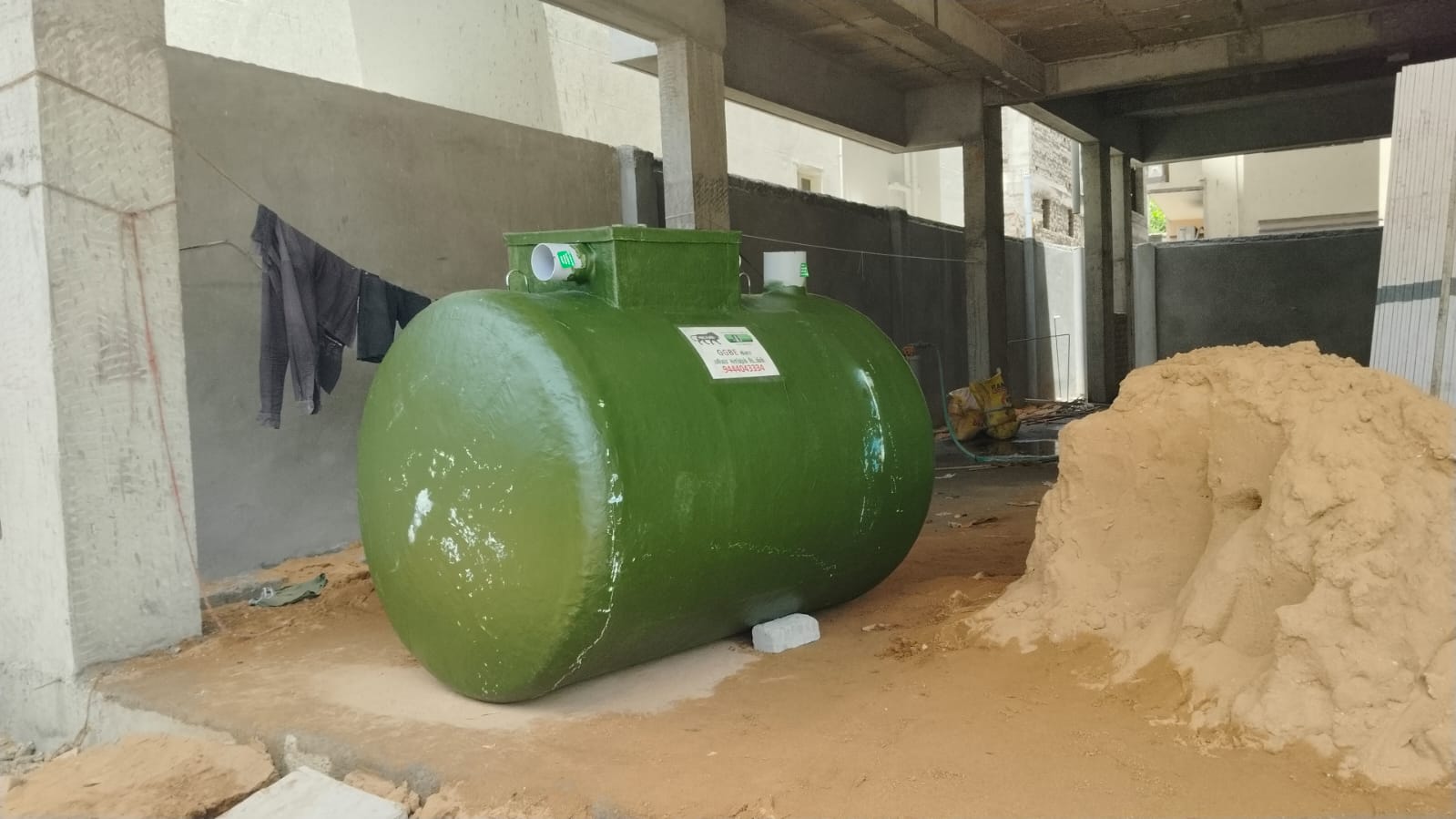
A bio septic tank is a sealed, multi-chamber unit. Wastewater enters the first chamber, where heavy solids settle. Bacteria without oxygen (anaerobic bacteria) then digest the sludge and turn it into water and gas. Each chamber leaves the water cleaner than the one before.
The approach follows the same logic as DRDO’s biodigester technology, which depends on a living bacterial culture to do the cleaning.
So, Why Is Bacteria Powder Needed?
Here’s the plain truth. Everyday household waste already carries plenty of bacteria, and a healthy tank keeps its own population going. Research summarised by Kansas State University concludes that a well-maintained system doesn’t need additives at any time. Still, a few situations call for extra help.
1. A Brand-New Tank
A fresh tank starts with an empty stomach. Prefabricated bio septic tanks and biodigesters often need a starter culture so the bacterial colony builds up quickly. Skipping that step can make a new unit slow to start.
2. After a Chemical Shock
Bleach, strong phenyl, acid-based toilet cleaners, and some medicines can wipe out large numbers of microbes. A dose of bacteria powder can help the tank recover its balance.
3. After Long Idle Periods
Holiday homes, farmhouses, and guest houses face a different problem. No waste means no food, so the bacteria slowly die off. Restarting with powder gives the colony a head start when people return.
4. Heavy or Unusual Loads
Hostels, small restaurants, and function halls push far more waste, fat, and detergent through their tanks. Powder may help these systems cope, but the tank still has to be sized correctly.
How Bacteria Powder Works, Step by Step
- Dormant spores wake up in warm, wet conditions.
- Enzymes chop large waste molecules into smaller pieces.
- Bacteria feed on those smaller pieces.
- Waste converts into water, gas, and fine particles.
- Over time, scum and sludge may reduce slightly.
Notice the word may. Powder supports the process, but it doesn’t replace it.
Benefits: What’s Real and What’s Marketing
| Claimed Benefit | Reality Check |
|---|---|
| Restarts a stressed or new tank | Reasonable, especially for bio-digesters |
| Reduces odour | Possible when smell comes from a bacterial imbalance |
| Cuts grease build-up | Helpful in kitchen-heavy systems |
| Easy to use | True, because dosing takes about a minute |
| Means you never need desludging | Not true |
The last row matters most. The U.S. EPA has reported that biological additives don’t appear to improve the performance of healthy septic tanks, according to a Premier Tech summary of its findings. Treat powder as a helper and never as a substitute for proper care.
Where Bacteria Powder Gets Used
- Homes: occasional support after a chemical shock or long absence
- Hostels, hotels, and restaurants: extra help with heavy, greasy loads
- Farmhouses and holiday homes: restarting tanks that sat unused
- New biodigesters and bio septic tanks: building the starter culture
How to Use Bacteria Powder Safely
- Read the label. Doses depend on brand and tank size.
- Wear gloves. It’s a biological product.
- Mix with lukewarm water. Hot water kills the microbes.
- Pour it into the toilet and flush. Night time works best, since the tank rests.
- Avoid bleach for several days. Otherwise you’ll undo the benefit.
More powder won’t work faster. Bacteria can only eat so quickly.
What Powder Can’t Fix
Some problems need a technician rather than a packet:
- A tank that’s overdue for desludging
- A cracked tank or a damaged baffle
- A blocked soak pit or discharge line
- Constant water overuse from leaking taps and toilets
If a bad smell lingers for more than a week, call a professional.
Habits That Matter More Than Any Powder
Good habits beat any additive. These keep your bacteria happy:
- Use mild cleaners and avoid bleach and acid-based products
- Keep wipes, sanitary products, plastic, and cooking oil out of the drain
- Fix dripping taps and running toilets quickly
- Spread laundry loads across the week
- Book a yearly inspection, and desludge as your supplier advises
A durable, leak-proof tank such as an FRP unit also makes a difference. Read more in our guide to how long a biodigester lasts.
FAQs
How often should I add bacteria powder to my bio septic tank?
Many labels suggest monthly dosing. A new tank may need more frequent doses at the start. Always follow your supplier’s guidance.
Will bacteria powder remove septic tank smell?
It can help when the odour comes from a bacterial imbalance. A full tank or blocked vent will keep smelling.
Can I skip desludging if I use bacteria powder?
No. Desludging stays essential.
Is bacteria powder safe for FRP bio septic tanks?
Biological powders are generally mild. Check with your tank supplier before choosing a product.
Can bacteria powder harm my tank?
Biological products rarely cause harm when used as directed. Harsh chemical cleaners are the real danger.
Final Thoughts
Bio septic tank bacteria powder shines in three places: new tanks, recovering tanks, and heavily loaded systems. In a healthy home tank, its benefit stays modest. Treat it as a helpful sidekick rather than the hero. Pair it with mild cleaners, yearly inspections, and timely desludging, and your tank will keep working quietly for years.
Not sure whether your tank needs a boost? Talk to the GGBE team for honest, no-pressure advice.
One Response